 CaloDash
Body Recomposition: How to Lose Fat and Build Muscle at the Same Time
Can You Really Lose Fat and Gain Muscle Together?
The traditional advice says you must choose: eat in a surplus to build muscle (a "bulk"), then eat in a deficit to lose fat (a "cut"). Body recomposition, or "recomp", is doing both at the same time. It sounds too good to be true, but research on trained and untrained people shows it happens regularly. The catch is that it works better for some people than others, it is slower than either goal on its own, and the bathroom scale is almost useless for measuring it.
Who recomposition works best for
Your body can build muscle in a small calorie deficit because it can draw on stored body fat for energy, as long as it gets a strong training signal and enough protein. That works best when there is plenty of room to improve. You are a good candidate if you are:
- New to strength training. Beginners respond so strongly to lifting that muscle gain in a deficit is common in the first year.
- Returning after a break. Muscle you have built before comes back faster than it was first built.
- Carrying more body fat. More stored energy means the deficit costs your muscles less.
- Training without enough protein so far. Fixing protein alone can tip the balance toward muscle.
If you are lean and have lifted seriously for years, recomposition still happens, but slowly enough that dedicated bulking and cutting phases usually make better use of your time.
Step 1: Eat at a small deficit, or right at maintenance
A large deficit makes muscle gain very unlikely. Aim for a deficit of around 10 to 20 percent below maintenance, or simply eat at maintenance if you are already fairly lean. In practice that usually means losing no more than about 0.5 percent of your body weight per week. If you do not yet know your maintenance number, track your food and weight for two weeks first; our guide to counting calories accurately explains how.
Step 2: Eat enough protein, every day
Protein is the raw material for new muscle and protects the muscle you have while you are in a deficit. A good target for recomposition is about 1.6 to 2.2 grams per kilogram of body weight per day, spread across three or four meals. If you are carrying a lot of extra weight, base the number on your goal weight instead. See how much protein you need per day for the details.
Step 3: Lift with progressive overload
Without a reason to grow, your body has no reason to keep muscle while you are eating less. Train each major muscle group at least twice a week with resistance training, take most sets close to failure, and add weight or reps over time. Cardio is fine for health and adds to your deficit, but it is not a substitute for lifting. Our guide to progressive overload explains how to make steady progress.
Step 4: Sleep and recover
Short sleep shifts weight loss toward muscle and away from fat, and it makes training harder. Aim for seven to nine hours. A wearable can help you see when recovery is lagging; read how to read your wearable's recovery data.
How to measure a recomposition
This is where most people give up too early. If you lose 2 kg of fat and gain 1.5 kg of muscle over three months, the scale shows a 0.5 kg loss. That looks like failure, but it is a large change in how you look and perform. So measure several things together:
- Body weight, as a weekly average. It should be stable or drifting down slowly.
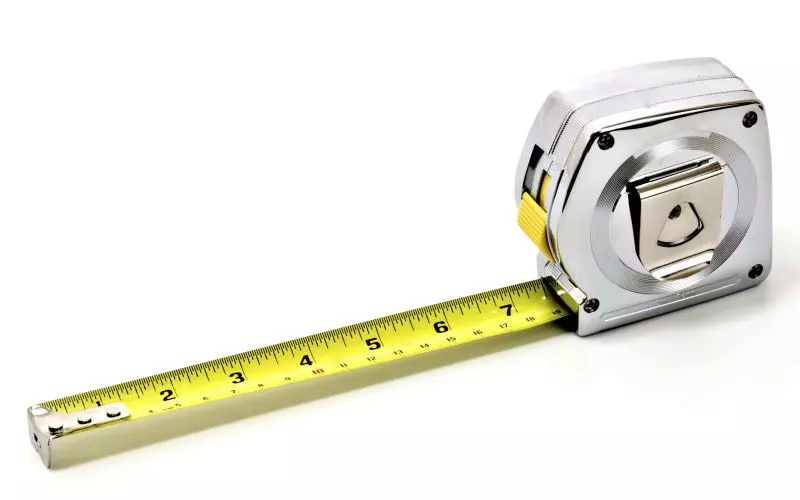
- Waist measurement. Measure at the navel, first thing in the morning, every two weeks. A shrinking waist with a stable weight is the clearest sign of recomposition at home.
- Strength. If your lifts go up while your weight goes down or holds steady, you are almost certainly keeping or adding muscle.
- Body fat percentage. Smart scales estimate this with bioelectrical impedance. A single reading can be several percent off, and it changes with hydration, but the trend over weeks is useful when you measure under the same conditions each time.
- Photos. Same light, same pose, same time of day, once a month.
Common mistakes
Cutting too hard. A big deficit gives fast scale results and costs muscle. Recomposition is a slow process on purpose.
Changing the program every two weeks. Progress needs the same lifts long enough to see them go up.
Judging by the scale alone. The whole point is that weight changes little. Track the waist and the lifts.
Expecting it to last forever. As you get leaner and more trained, recomposition slows. That is the signal to switch to a focused building phase or a focused fat loss phase.
Seeing the whole picture
Recomposition is the one goal where a single number lies to you, so it helps to see every number at once. CaloDash puts your weight, body fat and muscle readings from a connected smart scale (Withings, Fitbit and others), your waist measurements, your meals and protein, and your workouts on one dashboard. When readings are missing between weigh-ins, it fills the gaps in body fat and muscle mass trends so the lines stay readable. Start a free account and track the trend, not the day.